Buy mallorka.eu ?
We are moving the project
mallorka.eu .
Are you interested in purchasing the domain
mallorka.eu ?
domain@kv-gmbh.de · 0541-91531010
Buy mallorka.eu ?
How was German cuisine in the Middle Ages?
German cuisine in the Middle Ages was heavily influenced by the availability of ingredients in different regions. Meat, particularly pork, was a staple in the diet of the wealthy, while the common people consumed more grains, vegetables, and dairy products. Spices were also used to flavor dishes, although they were expensive and mainly accessible to the upper class. Overall, German cuisine in the Middle Ages was characterized by a variety of hearty and simple dishes that reflected the agricultural and culinary traditions of the time. **
What was German cuisine like in the Middle Ages?
German cuisine in the Middle Ages was heavily influenced by the availability of ingredients in different regions. Common foods included bread, meat (such as pork, beef, and game), dairy products, and vegetables. Spices were also used to flavor dishes, and beer was a popular beverage. Meals were often hearty and simple, with a focus on filling and sustaining the population through the long, cold winters. The cuisine varied depending on social class, with the wealthy enjoying more elaborate dishes featuring exotic ingredients. **


Similar search terms for Ages
Top-Angebote
Products related to Ages:
-
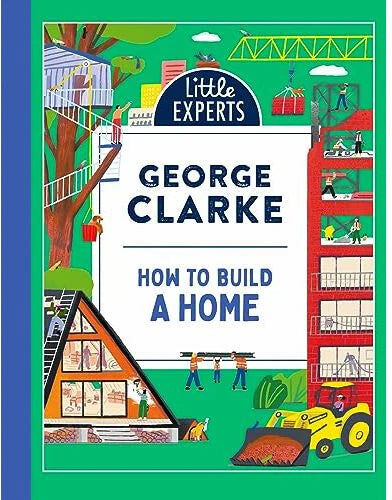
Red Shed How to Build a Home (Little Experts) by George Clarke & Robert Sae-Heng - Paperback - Ages 6-9 - Non Fiction Architecture Book for KidsHow to Build a Home is a vibrant non-fiction picture book from the Little Experts series, written by architect and TV presenter George Clarke and illustrated by Robert Sae-Heng. Aimed at curious children aged 6 to 9, it takes young readers on a colourful journey through the world of homes, from ancient dwellings to futuristic eco-houses. Packed with fascinating facts, clear explanations and playful challenges, this book turns the everyday subject of architecture into an exciting adventure, encouraging kids to look at the buildings around them in a new way. In How to Build a Home, George Clarke draws on his real-world experience as an architect and television presenter to introduce children to how homes are designed, built and lived in. The book explores the marvellous materials used in construction, such as brick, wood and glass, and offers a unique perspective on the world of architecture.5,99 £*Shipping: 2,99 £Secure redirect to the provider
-
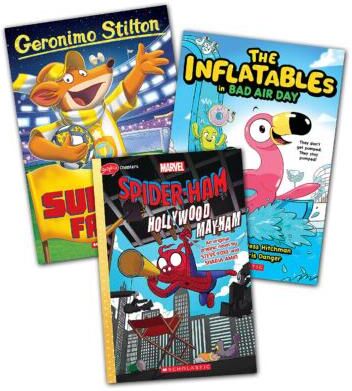
Scholastic Favorite Read Alouds (Ages 7-10)These stories full of action and adventure are sure to be read aloud favorites.This set includes:Spider-Ham: Hollywood May-HamThe Inflatables in Bad Air Day (The Inflatables #1)The Super Cup Face-Off (Geronimo Stilton #81) Favorite Read Alouds (Ages...20,36 $*Shipping: 0,00 $Secure redirect to the provider

-
What do medieval festivals, where the Middle Ages are celebrated, say about a society?
Medieval festivals that celebrate the Middle Ages say a lot about a society's interest in history, tradition, and cultural heritage. These festivals often showcase various aspects of medieval life, such as music, food, crafts, and entertainment, reflecting a desire to connect with the past and preserve historical customs. They also provide an opportunity for people to come together and participate in communal activities, fostering a sense of community and shared identity. Overall, these festivals demonstrate a society's appreciation for its cultural roots and a desire to keep them alive for future generations. **
-
Why is the Middle Ages actually called the Middle Ages?
The Middle Ages is called so because it is the period of time between the fall of the Roman Empire in the 5th century and the beginning of the Renaissance in the 14th century. It is considered the "middle" period between the classical antiquity of the Roman Empire and the modern era. This period is also known as the medieval period, and it is characterized by the development of feudalism, the rise of Christianity, and the dominance of monarchies in Europe. **
-
What did people in the Middle Ages call the Middle Ages?
During the Middle Ages, people did not refer to that time period as the "Middle Ages." Instead, they viewed themselves as living in the present time and did not have a specific term to describe their era. The concept of dividing history into distinct periods, such as the Middle Ages, Renaissance, and Modern era, was developed by later historians looking back on history. The term "Middle Ages" was first coined in the 15th century by Renaissance scholars who viewed the period between the fall of the Roman Empire and their own time as a "middle" or intermediate period. **
-
Why is whiskey and cola for ages 18 and wine for ages 16?
Whiskey and cola is typically considered a stronger alcoholic beverage, and the legal drinking age for stronger alcoholic drinks is generally higher than for milder ones. Wine is often considered a lighter alcoholic beverage, and therefore the legal drinking age for wine is lower. These age restrictions are based on the perceived maturity and ability to handle the effects of different types of alcohol. Additionally, cultural and historical factors also play a role in determining the legal drinking age for different types of alcohol in different countries. **

What characterizes the Dark Ages?
The Dark Ages, also known as the Early Middle Ages, were characterized by a decline in centralized authority, cultural stagnation, and economic instability following the fall of the Western Roman Empire. This period saw a lack of significant advancements in science, technology, and the arts, as well as a decrease in urbanization and trade. The Dark Ages were marked by frequent invasions, warfare, and the spread of disease, leading to a general sense of insecurity and a focus on survival rather than progress. **
What characterizes the Middle Ages?
The Middle Ages, also known as the medieval period, is characterized by a feudal social structure with kings, lords, and serfs. It was a time of great religious influence, with the Catholic Church playing a central role in people's lives. The period was marked by widespread illiteracy, limited scientific and technological advancements, and a focus on agriculture and rural life. The Middle Ages also saw the rise of chivalry and the code of honor among knights, as well as the construction of magnificent cathedrals and castles. **
Top-Angebote
Products related to Ages:
-
Tonies Pokémon Charmander Tonie for Ages 5+ - Ages 5+ - Audiobooks - CharmanderJoin Charmander for Pokémon adventures on your Toniebox. Includes three stories, Trainer Academy facts, and a battle. Stories explore courage, empathy, and friendship. Compatible with all Tonieboxes. Requires Toniebox and internet connection. Magnetic, hand-painted figurine.14,12 £*Shipping: 3,95 £Secure redirect to the provider
-
Red Shed How to Build a Home (Little Experts) by George Clarke & Robert Sae-Heng - Paperback - Ages 6-9 - Non Fiction Architecture Book for KidsHow to Build a Home is a vibrant non-fiction picture book from the Little Experts series, written by architect and TV presenter George Clarke and illustrated by Robert Sae-Heng. Aimed at curious children aged 6 to 9, it takes young readers on a colourful journey through the world of homes, from ancient dwellings to futuristic eco-houses. Packed with fascinating facts, clear explanations and playful challenges, this book turns the everyday subject of architecture into an exciting adventure, encouraging kids to look at the buildings around them in a new way. In How to Build a Home, George Clarke draws on his real-world experience as an architect and television presenter to introduce children to how homes are designed, built and lived in. The book explores the marvellous materials used in construction, such as brick, wood and glass, and offers a unique perspective on the world of architecture.5,99 £*Shipping: 2,99 £Secure redirect to the provider
-
How was German cuisine in the Middle Ages?
German cuisine in the Middle Ages was heavily influenced by the availability of ingredients in different regions. Meat, particularly pork, was a staple in the diet of the wealthy, while the common people consumed more grains, vegetables, and dairy products. Spices were also used to flavor dishes, although they were expensive and mainly accessible to the upper class. Overall, German cuisine in the Middle Ages was characterized by a variety of hearty and simple dishes that reflected the agricultural and culinary traditions of the time. **
-
What was German cuisine like in the Middle Ages?
German cuisine in the Middle Ages was heavily influenced by the availability of ingredients in different regions. Common foods included bread, meat (such as pork, beef, and game), dairy products, and vegetables. Spices were also used to flavor dishes, and beer was a popular beverage. Meals were often hearty and simple, with a focus on filling and sustaining the population through the long, cold winters. The cuisine varied depending on social class, with the wealthy enjoying more elaborate dishes featuring exotic ingredients. **
-
What do medieval festivals, where the Middle Ages are celebrated, say about a society?
Medieval festivals that celebrate the Middle Ages say a lot about a society's interest in history, tradition, and cultural heritage. These festivals often showcase various aspects of medieval life, such as music, food, crafts, and entertainment, reflecting a desire to connect with the past and preserve historical customs. They also provide an opportunity for people to come together and participate in communal activities, fostering a sense of community and shared identity. Overall, these festivals demonstrate a society's appreciation for its cultural roots and a desire to keep them alive for future generations. **
-
Why is the Middle Ages actually called the Middle Ages?
The Middle Ages is called so because it is the period of time between the fall of the Roman Empire in the 5th century and the beginning of the Renaissance in the 14th century. It is considered the "middle" period between the classical antiquity of the Roman Empire and the modern era. This period is also known as the medieval period, and it is characterized by the development of feudalism, the rise of Christianity, and the dominance of monarchies in Europe. **
Similar search terms for Ages
-
Scholastic Favorite Read Alouds (Ages 7-10)These stories full of action and adventure are sure to be read aloud favorites.This set includes:Spider-Ham: Hollywood May-HamThe Inflatables in Bad Air Day (The Inflatables #1)The Super Cup Face-Off (Geronimo Stilton #81) Favorite Read Alouds (Ages...20,36 $*Shipping: 0,00 $Secure redirect to the provider
-
Playful Picks Pistachio Plushie, Soft & Cute Decor Gift For All Ages Pistachio Plushie, Soft & Cute Decor Gift For All AgesIntroducing the Pistachio Nut Plushie, the perfect blend of comfort, character, and charm! This delightful, soft stuffed toy is not just a plushie it's a unique addition to your home decor, a comforting companion, and an adorable gift all in one....31,97 $*Shipping: 0,00 $Secure redirect to the provider
-
What did people in the Middle Ages call the Middle Ages?
During the Middle Ages, people did not refer to that time period as the "Middle Ages." Instead, they viewed themselves as living in the present time and did not have a specific term to describe their era. The concept of dividing history into distinct periods, such as the Middle Ages, Renaissance, and Modern era, was developed by later historians looking back on history. The term "Middle Ages" was first coined in the 15th century by Renaissance scholars who viewed the period between the fall of the Roman Empire and their own time as a "middle" or intermediate period. **
-
Why is whiskey and cola for ages 18 and wine for ages 16?
Whiskey and cola is typically considered a stronger alcoholic beverage, and the legal drinking age for stronger alcoholic drinks is generally higher than for milder ones. Wine is often considered a lighter alcoholic beverage, and therefore the legal drinking age for wine is lower. These age restrictions are based on the perceived maturity and ability to handle the effects of different types of alcohol. Additionally, cultural and historical factors also play a role in determining the legal drinking age for different types of alcohol in different countries. **
-
What characterizes the Dark Ages?
The Dark Ages, also known as the Early Middle Ages, were characterized by a decline in centralized authority, cultural stagnation, and economic instability following the fall of the Western Roman Empire. This period saw a lack of significant advancements in science, technology, and the arts, as well as a decrease in urbanization and trade. The Dark Ages were marked by frequent invasions, warfare, and the spread of disease, leading to a general sense of insecurity and a focus on survival rather than progress. **
-
What characterizes the Middle Ages?
The Middle Ages, also known as the medieval period, is characterized by a feudal social structure with kings, lords, and serfs. It was a time of great religious influence, with the Catholic Church playing a central role in people's lives. The period was marked by widespread illiteracy, limited scientific and technological advancements, and a focus on agriculture and rural life. The Middle Ages also saw the rise of chivalry and the code of honor among knights, as well as the construction of magnificent cathedrals and castles. **
* All prices are inclusive of VAT and, if applicable, plus shipping costs. The offer information is based on the details provided by the respective shop and is updated through automated processes. Real-time updates do not occur, so deviations can occur in individual cases. ** Note: Parts of this content were created by AI.